What Should You Do If You Have a Recalled Product?
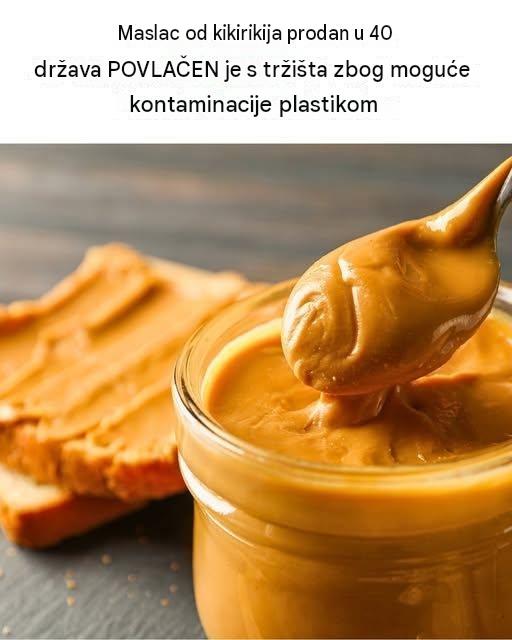
If your peanut butter matches the recalled product information, do not eat it. Keep the product separate from other food items and follow the recall instructions provided by the manufacturer or retailer.
Consumers should also avoid giving a recalled product to children, family members, or pets. If you are unsure whether your product is affected, check the official recall information before consuming it.
Why Food Recalls Matter
Food recalls are an important part of the food-safety system. They help identify potentially unsafe products and give consumers an opportunity to remove them from their homes.
A recall does not automatically mean that an entire category of food is dangerous. Usually, recalls apply to specific products, production dates, lots, or distribution areas.
How to Stay Updated on Food Recalls
Consumers can reduce their risk by regularly checking food-safety announcements and paying attention to notices from manufacturers, retailers, and government agencies.
It is also a good habit to keep food packaging until the product has been used, particularly when purchasing products that may be subject to recalls. Having the original packaging makes it easier to identify the product if a recall is announced.
Final Thoughts
A peanut butter recall involving products distributed across 40 states is a reminder that consumers should always pay attention to food-safety alerts. However, the recall applies to specific products rather than all peanut butter.
If you have peanut butter at home, check the product details carefully and compare them with the official recall information. If your product is included, do not consume it and follow the recommended recall instructions.
