
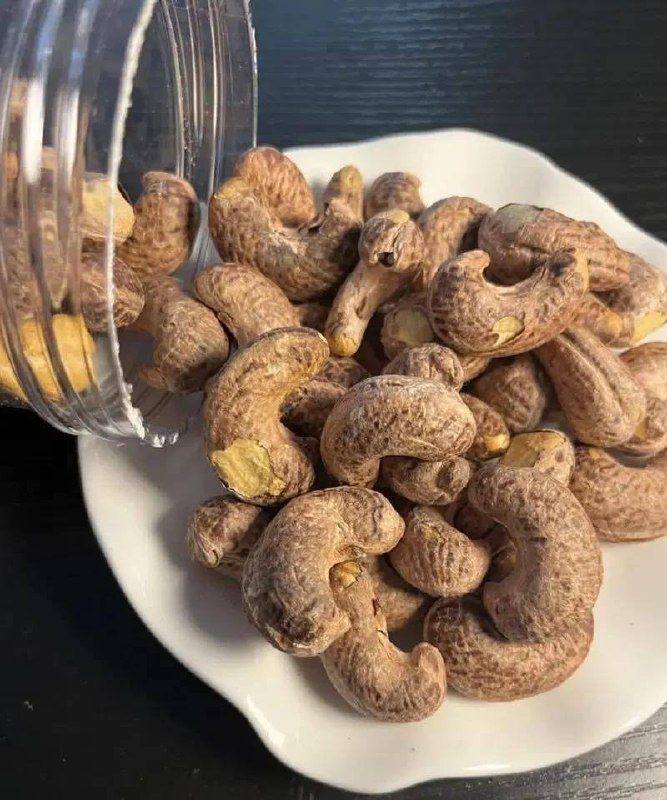
⚠️ What « Doctors Reveal »: The 4 Crucial Cautions
1. The Oxalate Content: Kidney Stone Risk
Fact: Cashews are moderately high in oxalates. For individuals prone to calcium-oxalate kidney stones, high intake can increase risk.
Advice: If you have a history of stones, enjoy in moderation (≤1 oz/day) and ensure high calcium intake (calcium binds oxalates in the gut).
2. The Raw Cashew Myth & Toxicity
Critical Fact: « Raw » cashews sold in stores are not truly raw. They have been steamed to remove urushiol, the same toxic resin found in poison ivy.
Never consume truly raw cashews straight from the tree—they can cause severe allergic dermatitis and are toxic.
Advice: Only purchase from reputable sources. Home-processing is dangerous.
3. The FODMAP Factor for IBS
Cashews contain galacto-oligosaccharides (GOS), a FODMAP carbohydrate that can trigger bloating, gas, and pain in those with Irritable Bowel Syndrome (IBS).
Advice: Those with IBS should follow a low-FODMAP diet initially, then test tolerance. A 10-15 nut serving is typically considered low-FODMAP.
4. Calorie Density & Portion Distortion
The biggest practical risk is mindless overconsumption. Eating straight from a large bag can lead to a 400-500 calorie snack easily.
Advice: Always pre-portion. 1 ounce (≈18-20 nuts) is a standard serving. Use a small bowl, not the bag.
🛒 How to Select & Store for Maximum Benefit
Type Best For Note
Dry-Roasted, Unsalted Everyday health Avoid added oils; unsalted helps control sodium.
Raw (Steamed), Unsalted Cooking, butter making The least processed option available.
Avoid: Honey-Roasted, Sriracha, etc. — Loaded with sugar, unhealthy oils, and sodium.
Storage: Due to high fat content, cashews turn rancid quickly. Store in an airtight container in the fridge for up to 6 months, or freeze for a year.
🍽️ How to Incorporate Them Wisely: A Serving Guide
Single Serving: 1 ounce (≈18-20 nuts) or 2 tablespoons of cashew butter.
Smart Pairings:
With fruit (apple slices) for balanced energy.
In oatmeal or yogurt for creaminess and protein.
As a salad topper for crunch.
Blended into sauces (replace dairy) or homemade energy bars.
The Bottom Line
Cashews are a nutrient-dense, health-promoting food for most people when consumed in mindful portions. Their unique combination of healthy fats, plant protein, and minerals supports heart, metabolic, and bone health.
However, they are not a « free pass » snack. Respect their calorie density, beware of oxalates if kidney-stone-prone, and always portion control. For the vast majority, making a handful of cashews a daily habit is a smart, delicious investment in long-term health—far superior to processed snacks. Just don’t let the « health halo » trick you into eating the whole bag.
